Abaca and Bamboo: The Philippines’ Fiber Heritage in the Global Green Economy
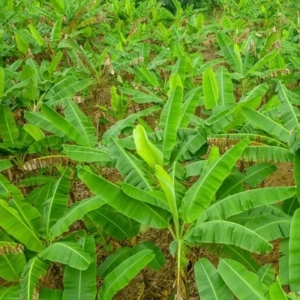
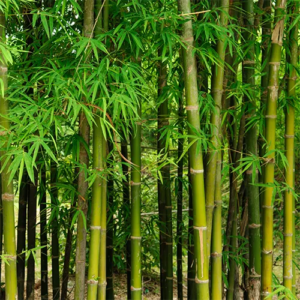
Long before plastic and polyester dominated the world, the Philippines was known for its strong, breathable, and biodegradable plant fibers. Two of its most iconic: abaca (Musa textilis) and bamboo (various Bambusa and Dendrocalamus species). These materials, cultivated and crafted by generations of Filipino weavers and artisans, are now being re-examined through the lens of sustainability, circular design, and ethical luxury.
As eco-conscious industries expand, demand has grown for materials that are renewable, resilient, and culturally rooted. Both abaca and bamboo meet these criteria. They have not only served as export materials but also embodied the kind of regenerative economics now being sought worldwide.
A Legacy of Craft and Function
Abaca, sometimes referred to as Manila hemp, has been traditionally processed for ropes, textiles, and paper. Known for its durability and saltwater resistance, it was once used in naval rigging. Bamboo, meanwhile, has been fashioned into tools, homes, furniture, and even fabrics through modern pulping technologies.
These fibers have not just been harvested—they have been woven into life itself. From mats and hammocks to woven soap wraps and ceremonial decor, abaca and bamboo have shaped everyday items in both functional and symbolic ways. And they’ve done so with minimal machinery and near-zero waste.
Sustainability Profile
Both abaca and bamboo are considered highly sustainable:
- Fast growth cycles: Bamboo matures in 3–5 years; abaca in 1–2.
- Low input farming: They require minimal fertilizers or pesticides.
- Soil & water resilience: Their root systems reduce erosion and retain moisture.
- Carbon sequestration: Bamboo especially is recognized as a high carbon sink.
Their biodegradability and low lifecycle impact make them ideal for global industries aiming to reduce plastic and synthetic fiber dependency.
Market Applications
Across global markets, abaca and bamboo have been incorporated into:
- Biodegradable packaging
- Sustainable fashion and natural fiber textiles
- Eco-luxury home goods
- Automotive composites (e.g., abaca fiber in car interiors)
In Europe and Japan, abaca is already used in specialty tea bags and currency paper. Bamboo is now common in flooring, cutlery, and even tech accessories. Consumers are drawn to origin-driven materials—especially when they come with low ecological cost.
Challenges in the Supply Chain
Despite growing interest, Filipino fiber producers face challenges:
- Underdeveloped local processing: Most fiber is exported raw.
- Outdated equipment: Many cooperatives lack modern looms and pulp machines.
- Brand invisibility: Most consumers are unaware that fibers come from the Philippines.
- Middlemen-dominated trading: Farmers and weavers earn the least in the chain.
These bottlenecks have made it difficult for small communities to fully benefit from the rising demand for ethical materials.
The Maha Igorota Response
At Maha Igorota, a different approach is being taken. Instead of selling raw fiber, the goal is to create finished, meaningful products—woven through narrative, process, and place.
- Abaca is turned into packaging materials, ritual bundles, and textured paper wraps.
- Bamboo is repurposed into incense trays, labels, and diffuser stands.
Each piece tells a story—not only of Philippine ecology, but of quiet spiritual design. Weavers and fiber workers are taught to design for modularity, utility, and grace. Packaging avoids gloss, using hand-stamped labels on native paper. These aren’t just eco-products—they’re expressions of intention.
Innovation through Slow Scaling
Rather than pursuing mass production, Maha Igorota promotes craft-scale sustainability. Training hubs and micro-factories are being proposed in mountain barangays. Equipment is acquired incrementally. Export partnerships are being pursued only after process control and supply ethics are solidified.
This slower model helps prevent burnout, deforestation, and brand dilution. Fiber work is not turned into factory labor—it remains a skilled, intentional practice.
Fiber Diplomacy: Exporting Ethos, Not Just Output
The export of abaca and bamboo through Maha Igorota is not just about sending raw material abroad. It’s about transmitting a value system—respect for land, for time, and for form.
Each fiber-based item carries with it a subtle code: handmade with care, rooted in place, sustainable by design. This positions the Philippines not only as a supplier—but as a teacher of ethical aesthetics.
Conclusion
Abaca and bamboo have been part of the Philippine fiber identity for generations. Now, through design, training, and narrative, they are being shaped into global materials for ritual-informed living. Their rise in the green economy is no accident—it is a return to what has always worked.
And in the Maha Igorota framework, these fibers are no longer just raw goods. They are artifacts of transition—from fast to slow, from synthetic to natural, from forgotten to future-ready.