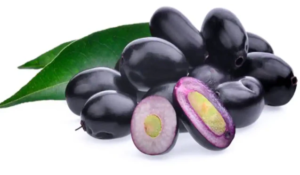
Mangosteen and Java Plum: Tropical Fruits as Nutraceutical Powerhouses
In the humid lowlands and wild forest edges of the Philippines, two fruits have been quietly harvested and revered: mangosteen (Garcinia mangostana) and Java plum (Syzygium cumini). While known locally for their medicinal properties, these fruits have only recently been positioned as nutraceutical exports capable of capturing global health markets.
Across wellness circles, both have been referred to as “superfruits.” But their true potential lies not in marketing buzzwords, but in their functional chemistry, sustainable cultivation, and flexibility of formulation.
Traditional and Emerging Uses
Mangosteen has been used traditionally for treating inflammation, digestive issues, and infections. Its rind, rich in xanthones, has been boiled and decocted for centuries. Java plum, on the other hand, has been valued for its anti-diabetic and antioxidant properties. Its seeds and leaves have been included in indigenous preparations for blood sugar regulation.
These uses have been handed down across generations, often outside the reach of institutional medicine. They have been planted near homes, foraged during certain seasons, and shared communally. Their medicinal significance has been embedded in everyday rituals, not just commercial systems.
The Nutraceutical Market Boom
A significant rise has been seen in the global demand for plant-derived functional supplements. Consumers have been seeking natural alternatives to pharmaceuticals, focusing on immune support, metabolic regulation, and skin health.
Mangosteen powder, extract, and capsules have been marketed in North America and Europe for their anti-inflammatory properties. Java plum has been processed into teas, powders, and herbal tinctures aimed at blood sugar support. Both fruits have been included in formulations for liver health, gut microbiome balance, and skin clarity.
Regulatory agencies have begun accepting clinical research to support these claims. As a result, raw material demand has increased. But much of that demand has been met by countries with more aggressive export frameworks, leaving Philippine producers underrepresented.
Agroecological and Economic Potential
Both mangosteen and Java plum can be grown with low input costs. Mangosteen thrives in humid tropical environments and has been suited to agroforestry systems. Java plum is more resilient and can tolerate dry conditions. Both trees contribute to biodiversity and erosion control.
They have been undervalued primarily due to under-processing. In many cases, the fruit is eaten fresh or discarded post-harvest due to perishability. Little investment has been made in drying, powdering, encapsulating, or preserving for value-added products.
Through improved handling and the introduction of solar dryers, local processing has been made possible. Seed oils can be extracted. Peel powders can be stabilized. By doing so, communities can shift from bulk fruit sellers to nutraceutical product developers.
The Maha Igorota Perspective
For Maha Igorota, these fruits are not just ingredients. They are symbols of Philippine intelligence and sustainability. When mangosteen rind is infused into soaps or Java plum seed oil is blended into skin balms, a new kind of product is created—functional, local, and story-rich.
Rather than compete on volume, Maha Igorota has emphasized compound value: nutritional, spiritual, and ecological. Seed residue is composted. Peels are repurposed. Oil is cold-pressed in micro-lots. Packaging is minimal and recyclable.
These practices allow the brand to operate in a space that combines slow beauty, clean health, and small-batch integrity.
Challenges in Scaling
- Seasonal supply has limited year-round production.
- Extraction equipment for small-scale operations has been expensive.
- Export compliance remains difficult for powdered or oil-based nutraceuticals.
Despite these hurdles, niche markets have responded well to curated product lines. The key has been to work around volume and instead build around origin, efficacy, and ethical sourcing.
Suggested Product Pathways
- Mangosteen peel powder capsules for inflammation and skin support
- Java plum seed oil serum for oxidative protection in skincare
- Combined fruit teas with added turmeric or ginger for digestive balance
- Topical salves blending mangosteen extract with beeswax and citronella
These offerings have aligned with current global interest in natural antivirals, skin clarity, and detoxification.
Moving Forward
By treating these tropical fruits as modular ingredients rather than exotic novelties, a space has been opened for innovation. Instead of shipping raw fruit, communities can process, formulate, and package products with shelf stability and verified potency.
Training, R&D, and low-cost processing hubs will be required. Local cooperatives and IP protections can ensure benefit-sharing. In this way, traditional fruit knowledge can be transitioned into globally resonant wellness tools.
Conclusion
Mangosteen and Java plum have always held quiet power. In the right hands, and with the right systems, they can be transformed into products that speak to health, history, and future-ready sustainability.
Through initiatives like Maha Igorota, tropical biodiversity is not just being showcased—it is being activated. And in doing so, the Philippine fruit landscape is no longer peripheral. It is becoming central.
Next Article Teaser: Abaca and Bamboo: The Philippines’ Fiber Heritage in the Global Green Economy