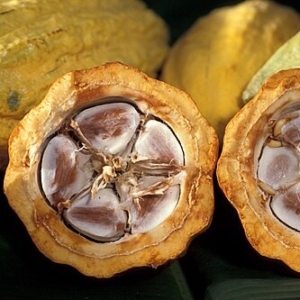
Cacao: From Ancestral Plant to Global Luxury Market
In the story of global superfoods and luxury wellness, cacao has been increasingly revalued. Once dismissed as a common crop or used only for mass-produced chocolate, cacao has been elevated into the realm of fine-flavor origins, ritual beverages, and functional wellness products. In the Philippines, where cacao has been cultivated since the Spanish era, an opportunity has been presented: to transform this ancestral plant into a competitive global product.
A convergence of market trends has occurred. Consumers have moved toward artisanal chocolate, functional botanicals, and ethically sourced ingredients. As part of this movement, Philippine-grown cacao is being reconsidered. Under frameworks like that of Maha Igorota, cacao is not only being grown and processed differently—it is being repositioned.
Historical Roots and Current Realities
Cacao (Theobroma cacao) was introduced into the Philippines over 300 years ago. Cultivation was originally centered in the south, especially in Mindanao, where favorable climate conditions have been sustained.
In recent years, heirloom and fine-flavor varietals have been identified and catalogued. Fermentation and drying practices have been improved in some farming clusters. However, the bulk of cacao production has still been treated as a low-margin agricultural activity. Value has mostly been extracted after export.
A Changing Global Market
Several shifts have favored the rise of craft and origin-specific cacao:
- Bean-to-bar movements have been popularized, especially in Europe and North America.
- Functional chocolate has been formulated for cognitive support, mood elevation, and antioxidant benefits.
- Direct trade and transparency have been demanded by consumers.
These trends have emphasized not only quality but traceability. Consumers have been more willing to pay for chocolate or cacao products that have been farmed ethically, fermented properly, and packaged with intention.
From Crop to Commodity to Culture
The cacao industry has long been structured around bulk commodities. Farmers have been paid by volume, with little incentive to improve post-harvest handling. In this system, true value has been accrued by processors and foreign manufacturers.
In newer models, however, a different approach has been adopted. Smallholder farmers have been trained in fermentation protocols. Cooperatives have been established. Micro-batch production has been prioritized. These developments have allowed cacao to be sold not just as an input, but as a branded material.
For Maha Igorota, cacao has been adopted not only as an edible but as a ritual botanical. Cacao butter has been turned into balm bases. Cacao husk has been infused into teas. Raw paste has been blended with highland herbs for ceremonial-grade products. In this way, its cultural and sensory dimensions have been expanded.
Processing and Product Innovation
When cacao is processed mindfully, multiple outputs can be obtained:
- Cacao nibs for direct consumption
- Cacao powder for functional drinks
- Cacao butter for topical and edible formulations
- Fermented beans for bean-to-bar production
In many regions, only the most basic outputs have been made. The rest of the value chain has been exported. This has kept profits low and prevented rural economic transformation.
Through Maha Igorota’s model, small-batch fermentation units have been envisioned. Distinct blends have been developed. Cacao has been treated as a multi-functional base, not just a food item. Its integration into beauty and wellness formats has expanded its commercial viability.
The Challenge of Certification and Branding
In the luxury food market, certification has often been a barrier for small producers. Organic, fair trade, and single-origin labels have carried costs. For Philippine producers, certification gaps have created obstacles.
Still, interest has been growing in narrative-based branding. When a story has been verifiable and compelling, niche markets have responded. In Maha Igorota’s case, storylines have been focused on ancestral terrain, female-led cooperatives, and ritual-grade processing.
The cacao has not been marketed as exotic, but as deliberate: sourced from a system that values process as much as outcome.
Market Segments for Cacao-Based Expansion
Opportunities for cacao-derived products have been identified in multiple sectors:
- Luxury hot chocolate powders
- Highland cacao truffles and tablets
- Functional cacao adaptogen drinks
- Cacao-based oils and balms for skin nourishment
By focusing on slow-crafted products with unique packaging and verified sourcing, new markets can be entered. Southeast Asian cacao is often underrepresented in fine chocolate circuits—an issue that can be corrected through strategic narrative and formulation.
A Regenerative Future
Cacao trees have played a role in agroforestry and carbon sequestration. They have thrived under shade, alongside other high-value crops. When integrated into diversified farms, cacao has supported both ecology and economy.
With careful planning, cacao cultivation can be expanded without deforestation. Soil health can be improved. Women and youth can be involved in value-added activities. Local economies can be strengthened without extraction.
Conclusion
The global cacao story has often bypassed the Philippines. But that story can be rewritten. By shifting focus from export to expression, from commodity to culture, cacao can be transformed.
Under the Maha Igorota vision, cacao is not sold raw and invisible. It is shaped, elevated, and delivered as a product that represents place, care, and clarity.
As more consumers seek luxury that feels grounded, Philippine cacao has been positioned to deliver both quality and story—not as a trend, but as a return.
Next Article Teaser: Mangosteen and Java Plum: Tropical Fruits as Nutraceutical Powerhouses